
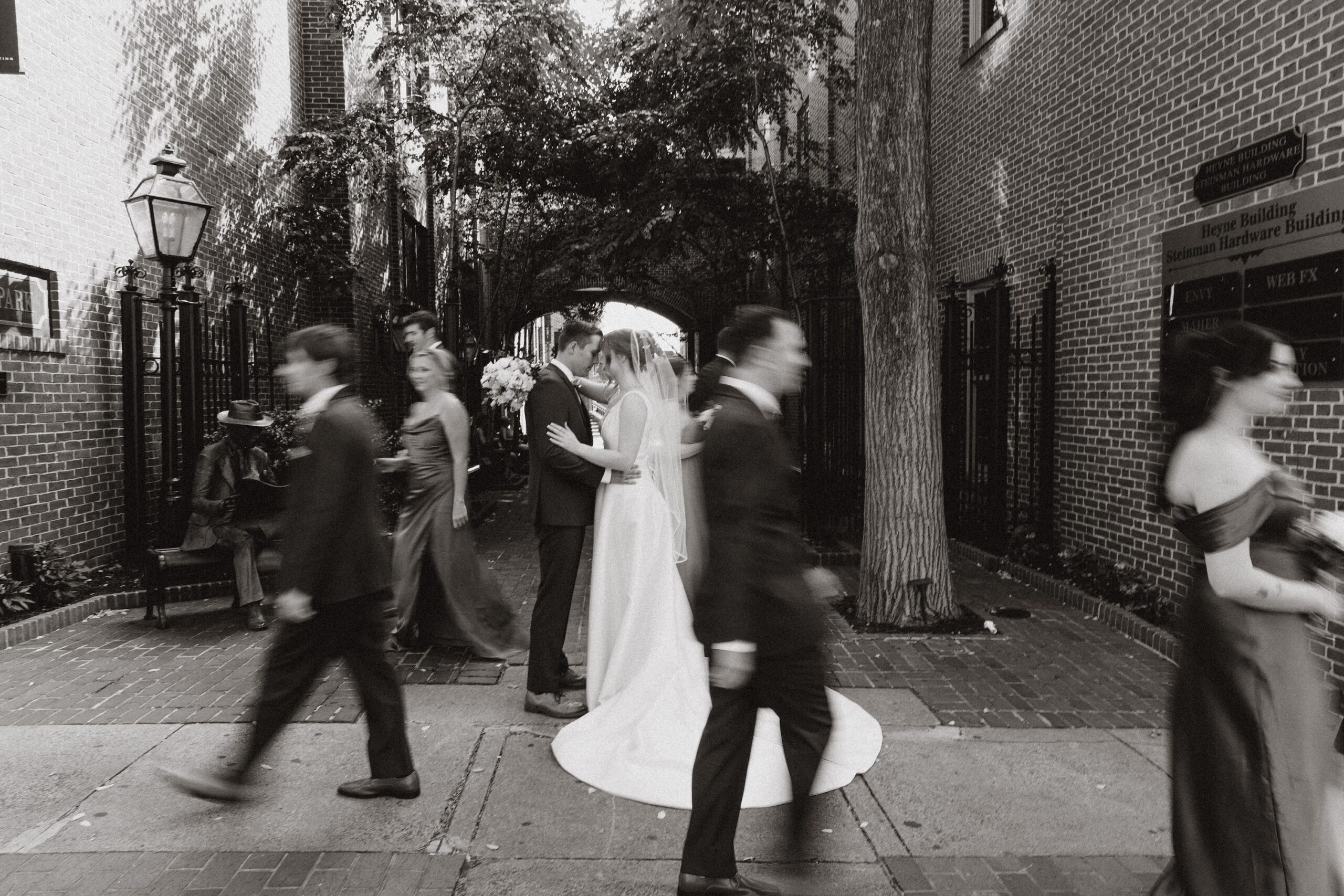


Planning a Wedding Day That Doesn’t Feel Rushed
Wedding day timeline planning is one of the biggest sources of stress I hear about from couples, especially early in the planning process. Between social media, family opinions, vendor advice, and endless inspiration online, it’s easy to feel overwhelmed before you even know where to start. Almost every couple I talk to says some version of the same thing: I don’t want to feel rushed on my wedding day. I want time to actually enjoy it. I’m stressed about the timeline.
And honestly, that makes so much sense. Most couples have never planned a wedding before. You’re suddenly expected to build a full-day experience without really knowing how long things take or how the day actually unfolds, all while trying to balance expectations from the people around you. It’s a lot to carry. Before we go any further, let’s take a breath and talk through what actually helps a wedding day feel calm, present, and unrushed.
Why Wedding Days Feel Rushed in the First Place
Most wedding days don’t feel rushed because something goes wrong. They feel rushed because too much is stacked too tightly together.
I see this most often when timelines are built without enough transition time, when couples try to move between too many locations, or when the day doesn’t account for the reality that things usually run a little late. Hair and makeup often take longer than planned. Family members disappear right when it’s time for photos. Travel between locations almost always takes more time than expected. None of this means you planned poorly. It simply means you’re working with real life.
A wedding day feels far less rushed when the timeline allows for breathing room instead of trying to fit everything in perfectly.
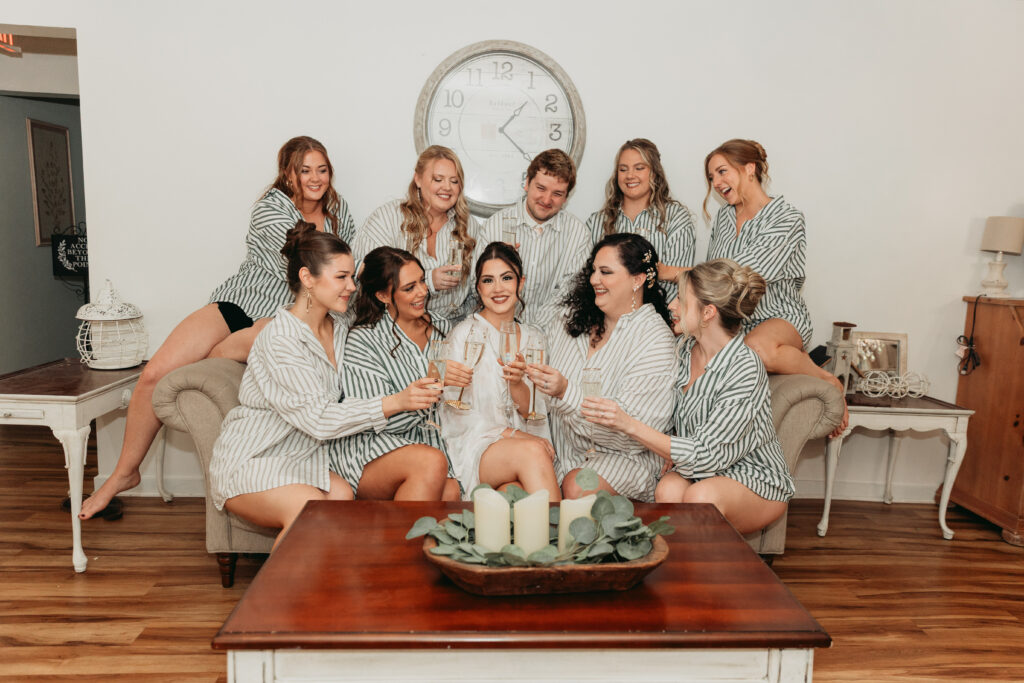
Does More Coverage Automatically Mean Less Stress?
This is something that surprises a lot of couples. Feeling rushed isn’t always about how many hours of photography coverage you choose. It’s about how that time is structured.
I’ve photographed eight-hour wedding days that felt chaotic and nine-hour days that felt calm and spacious. I’ve also photographed shorter, more intimate weddings that felt incredibly present because the timeline made sense for the day itself. What matters most is how time is used. Thoughtful transitions, built-in buffer time, and flexibility make a much bigger difference than simply adding more hours to the clock.
Wedding Day Timeline Planning Starts With How You Want the Day to Feel
One of the most important parts of wedding day timeline planning is deciding what actually matters to you. Some couples care deeply about slow, emotional getting-ready moments. Others love detailed photos and thoughtful styling. Some want to spend as much time as possible with their people, while others prioritize quiet moments together before the day gets busy.
There’s no single “right” priority. But a wedding day feels far less rushed when the timeline is built around what you value most, rather than trying to give equal time to everything. When couples try to do it all, the day can start to feel like a checklist. When they choose intentionally, it starts to feel like an experience.
How to Build Breathing Room Into Your Wedding Day Timeline
One of the simplest ways to reduce stress on a wedding day is by creating space before major moments.
Even a short buffer before the ceremony can completely change the tone of the day. Having time to pause, touch up, connect with each other, and breathe before walking down the aisle helps everything feel more grounded. Thoughtful photo flow also plays a big role. First looks aren’t required, but they can help spread portraits out earlier in the day and reduce pressure later on. If you choose not to do a first look, finishing bridal party photos before the ceremony can help cocktail hour feel far more relaxed.
Limiting transitions between locations also makes a noticeable difference. Every move takes longer than expected, and fewer location changes often means more time to actually be present. And while dancing photos are important, many couples are surprised to learn that about an hour on the dance floor often captures the energy beautifully. For couples who love to party all night, staying later makes sense. For others, ending coverage earlier allows the day to flow more naturally.
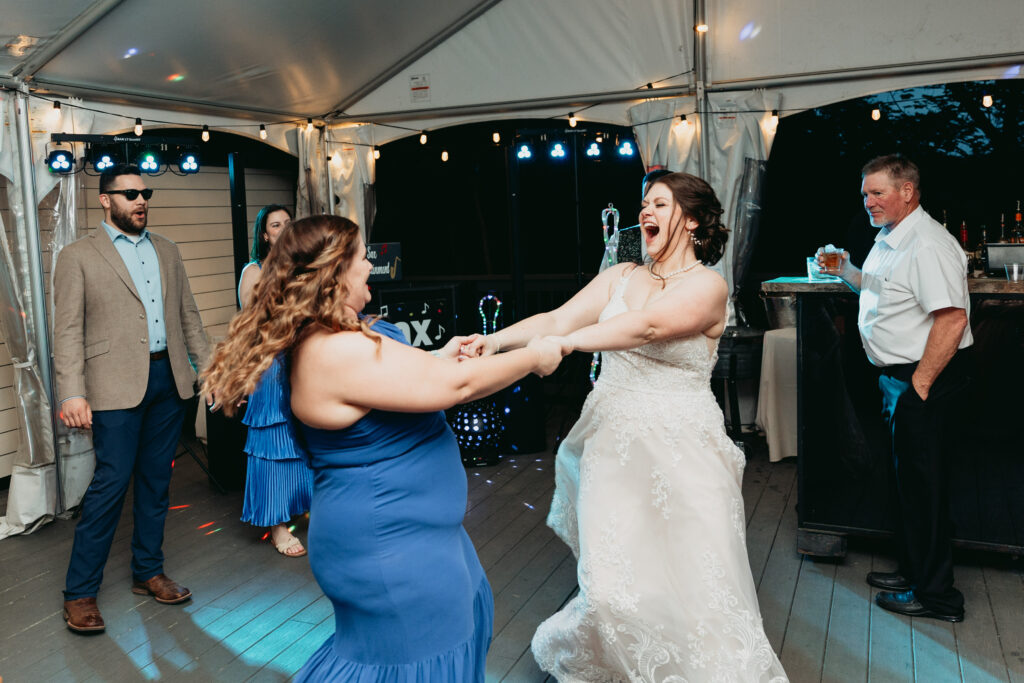
Why I’ve Found Nine Hours to Be a Sweet Spot
After photographing nearly a hundred weddings, certain patterns have become very clear. For full wedding days, nine hours consistently allows enough room for slower mornings, natural transitions, unhurried portraits, and moments that unfold without being rushed. It’s often the difference between moving through the day and actually experiencing it.
On the other end of the spectrum, four hours works beautifully for intimate weddings and micro days. It allows coverage of what matters most without forcing a longer timeline that doesn’t fit the celebration. That’s why I’ve simplified my offerings this year, not to limit couples, but to support the kind of wedding day experience I see people wanting most.
The Moments You’ll Remember Long After the Day Is Over
Some of the most meaningful moments I’ve witnessed weren’t planned down to the minute. They happened in the pauses, in the laughter that lasted longer than expected, and in the quiet moments where you look at each other and realize, this is our life now.
Thoughtful wedding day timeline planning isn’t about fitting more into the day. It’s about creating space so the moments that matter most can actually be felt.
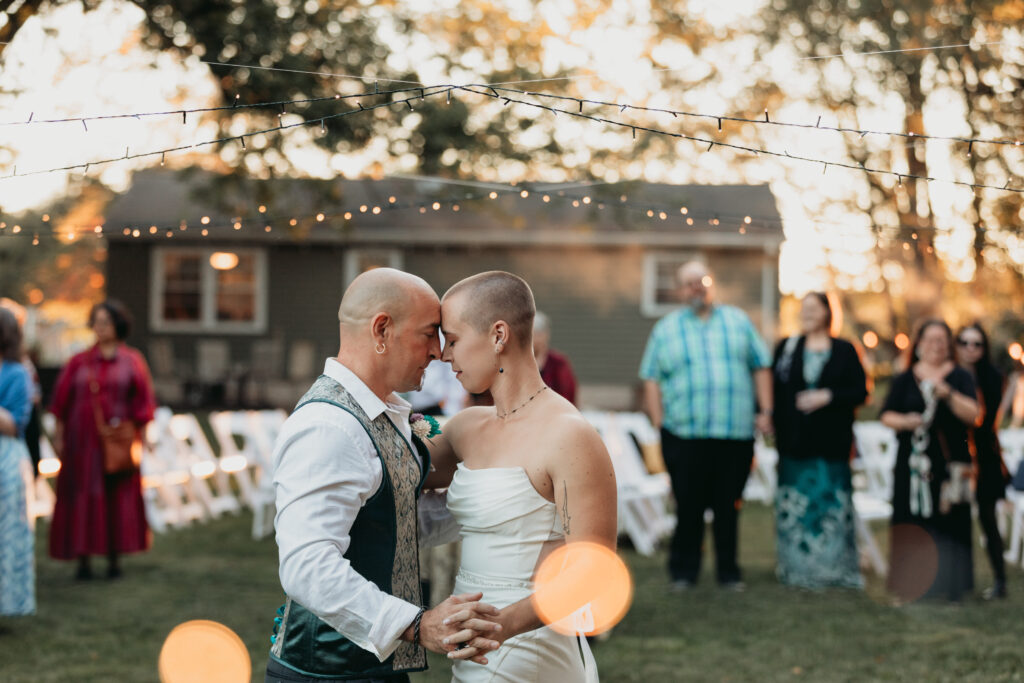
Final Thoughts
Your wedding day doesn’t need to be packed to be meaningful. It needs room to be felt.
If you’re feeling overwhelmed by timelines, coverage hours, or expectations, you’re not doing anything wrong. You just need a structure that supports how you want the day to feel, not one that rushes you through it. I’d love to help you plan a wedding day that feels calm, intentional, and true to you. You can reach out through my contact form and we can talk it through.